The infrastructure for wastewater and water has evolved over gravity-based systems. Engineered solutions for pumping are vital to ensure that water flows efficiently and safely as communities grow and land becomes harder to develop. Pump stations that are well-designed can be used for everything from stormwater control and wastewater management to industrial operations as well as the supply of potable water.
Each pumping system is unique each with the specific needs of each project like elevation changes and water flow, as well as water quality, and the requirements for ownership. Making these considerations clear during the design phase can help minimize long-term operational issues and ensures that the system operates exactly as it is intended to for many years.
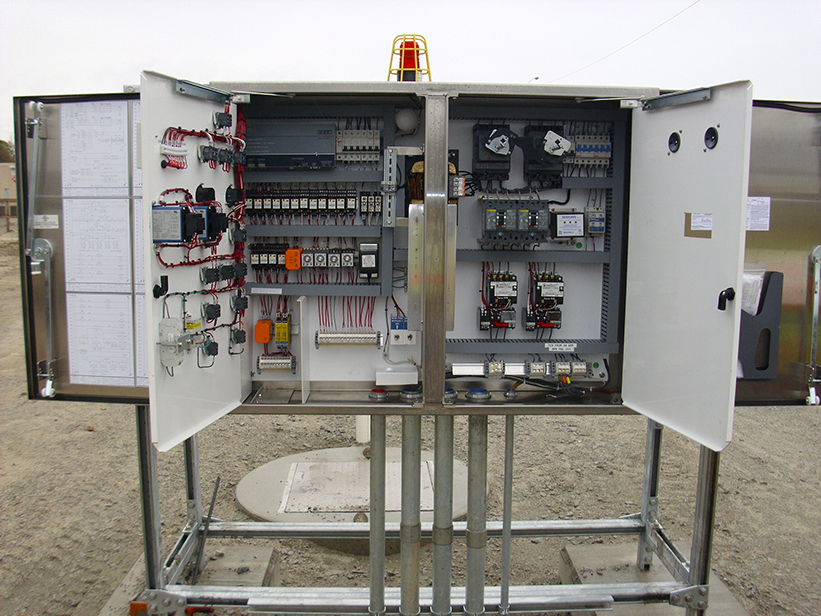
Why a package pumping system must be project-specific
A package pumping system is designed as a complete, integrated solution rather than a collection of off-the-shelf components. The way a system is constructed is based on a variety of variables, including the location’s circumstances, environmental laws and operational objectives. Each facility requires distinct structural designs, management strategies, and pump configurations.
When evaluating flow rates, duty points, and lifecycle costs upfront engineers can design preliminary layouts and budgetary estimates to help them make smarter choices. This will reduce the amount of redesigns. It also prevents unexpected costs in construction and makes sure that everyone is on the same page from the start.
Wastewater Lift Stations in Modern Development
Sewer infrastructure must adapt to evolving terrain and service area as urban areas increase. A wastewater lift station allows sewage flow to be transferred from lower elevations and higher points of collection to guarantee reliable transfer to treatment facilities. These systems are essential in areas where gravity flow is not able to keep up with demand.
Wastewater lift stations must be able to manage variable flows, handle solids and corrosion resistance and conform to legal requirements. Municipal systems are generally constructed with long-term durability and easy maintenance in mind, while private and industrial systems might be more focused on capacity and flexibility. Customized engineering ensures that pumps structures, and controls are selected to suit the specific operating environment.
Stormwater Lift Stations & Environmental Protection
Controlling stormwater efficiently is more crucial as density increases and weather patterns become more unpredictable. Stormwater lift stations that are well-designed help control runoff, manage retention ponds and minimize the risk of flooding. These systems are also environmental efficient, as they transfer stormwater to a facility for treatment prior to release into the natural waterways.
Stormwater pumping solutions have to function efficiently across a range of conditions for flow, ranging from mild rain to major storm events. They are designed with peak flows, seasonal variations and the long-term sustainability in mind. Flexible material options and pumping technologies allow systems to adapt as demand changes.
Pumps designed for Industrial Use and Water Purification
Pump stations aren’t restricted to the use of municipal facilities. Pumping systems are commonly used in industrial establishments to manage extreme temperatures of liquids, high pressure applications, oily waters, and chemically aggressive waste streams. Specialized knowledge and careful materials selection are necessary to design for these conditions.
Systems for water distribution to residential, commercial and municipal usage, which includes booster stations, are backed by clean water systems. Maintaining a consistent flow and pressure is essential to maintain customers’ satisfaction as well as reliability. Pump stations used for irrigation for reclaimed groundwater and extraction from groundwater, as well as large water features must be able to balance the efficiency and longevity.
Integrated Design and a Single Supplier
Coordinating several vendors for structural, mechanical, electrical, and control components can add complexity and risk. A single source design and supply model simplifies project execution and enhances system compatibility. Design teams can rapidly develop practical solutions based on the experience from a variety of situations for pumping.
Romtec Utilities applies this integrated approach across wastewater, stormwater industrial, and cleaning water projects. When Romtec Utilities takes care of every aspect of a pumping system, including engineering, choice of equipment, structural construction and controls, projects can gain improved communication and a consistent process.
In today’s world of infrastructure the success of infrastructure depends on pumping systems that adapt to the real-world situations, rather than making assumptions. The design of every pump station is based on a combination of the early evaluation of its performance and the integrated execution to ensure it has high-quality performance and meets the requirements of its owner and operator over time.