The month is now over. The sales were good, the P&L showed a profit and there was no sign of anything that appeared to be terribly in error.
Verify the restaurant’s bank account.
You didn’t get the number you had hoped for.
Restaurant owners might find this disconnect frustrating, as they believe that profits and cash flow should be exactly the same. However, they aren’t. A P&L examines the performance of the business’s finances over a certain period of time, while a bank account shows the exact timing of money moving into and out of the company.
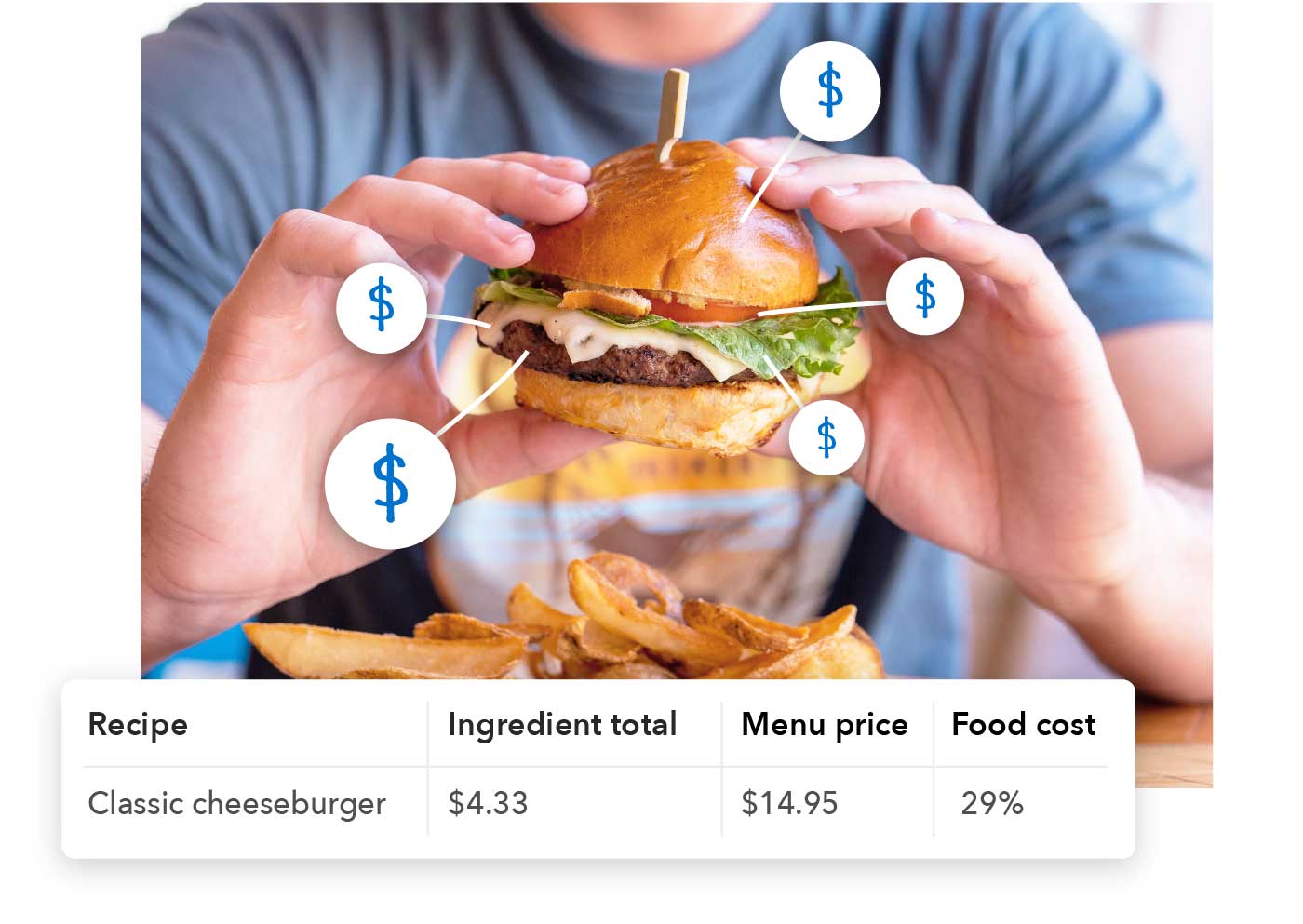
Knowing the differences could help restaurant owners shift their view of the financials of their restaurant.
Imagine what happens on an average week. The customers pay for food. It is important to pay employees. You will receive invoices for drinks and food deliveries. Rent is coming up. Deposits made with credit cards have their own specific timing. The tax on sales is an obligation.
Meanwhile, next week’s purchasing has already begun.
When you look only at revenues and the numbers at the end of profits, it is easy to overlook lots of activities.
The Key to the Mystery Could Be Hidden in the Prime Cost
When the profitability of restaurants starts to change in the negative direction, then food, drinks, and labor costs deserve attention.
Cost of selling goods with labor is the main cost. Bookkeeping Chef’s provided guidance places primary costs between 60%-65 percent for most restaurants, and emphasizes weekly monitoring as opposed to staying until the end of the month.
It is much more crucial for you to recognize any changes in the early stages rather than worrying about certain percentages.
Suppose that normally the restaurant performs near its target but this week, there’s more of a percent. Perhaps overtime has also increased. Perhaps the cost of beverages remained steady however food prices soared. A higher proportion of food could cause the owner to examine purchasing, waste management, menu mix and portions, or vendor bills.
The percentage is what matters. The answer lies in the restaurant’s activity.
A weekly report makes this conversation possible and everyone remembers the events.
After a period of two to three weeks, it becomes more difficult to reconstruct details.
After the vendor bills are paid
A restaurant may purchase ingredients this week, but then pay for these items in the future. This is due to the fact that understanding profits alone does not address all cash issues.
Vendor invoices need to be received, recorded and tracked before being paid. This could be a lot of work in an organization that has several suppliers.
Automating the process for accounts payable can assist in coordinating this process by reducing the repeated handling of bills and payments. The owner can get better insight into the debts that haven’t landed in their bank account by using connected bookkeeping systems.
It’s important because the bank’s balance as an individual can appear more healthy than a restaurant’s current position.
Today, there may be $80,000 on the account. This amount could mean something different if rent, payroll and vendors as well as other commitments will consume a substantial amount over the next few days.
This leads to cash flow forecasting.
What will happen with our cash after we’ve gotten the amount we’ve hoped for and fulfilled all our obligations?
It is important to know the difference before deciding if this week is an ideal time to replace equipment or buy additional products or preserve the cash flow.
You may not have been entitled to all the money you thought.
Sales tax illustrates this especially well.
Restaurants get money from clients, which they follow according to their tax obligations. When these dollars are mentally combined with operating cash, it can provide a false perception of the amount of money that is available for spending.
Consistent records support the tax compliance of sales while giving management a more realistic view of the restaurant’s finances.
Restaurant accounting is more efficient when the financial responsibilities of each restaurant do not have to be considered separately.
Prime cost affects margin. COGS (cost of products sold) and future payments are impacted by purchases from vendors. Payroll can affect the percentage of labor and cash. Cash flow is impacted by the sales tax. The P&L shows financial performance, forecasting can help management look ahead.
Connect the pieces.
Bookkeeping Chef employs restaurant-specific reporting and system integrations to put all the pieces together. For operators who don’t want to spend their nights manually reconciling financial data, specialized outsourced bookkeeping services can handle much of the accounting workload without removing the owner from the financial conversation.
It’s the final part that’s important.
The goal isn’t for restaurant owners to not look at their books since someone else is handling them. It’s for owners to receive data in a way that allows them to understand what is happening.
So when the P&L says the restaurant made money but the bank account seems to be a bit insecure, don’t believe that one of the numbers could be incorrect.
Find out what transpired between you and your partner.
This question will teach you more about your restaurant than either number can by itself.
The Monday Financial Check That Can Shape the Rest of the Week
The month is now over. The sales were good, the P&L showed a profit and there was no sign of anything that appeared to be terribly in error.
Verify the restaurant’s bank account.
You didn’t get the number you had hoped for.
Restaurant owners might find this disconnect frustrating, as they believe that profits and cash flow should be exactly the same. However, they aren’t. A P&L examines the performance of the business’s finances over a certain period of time, while a bank account shows the exact timing of money moving into and out of the company.
Knowing the differences could help restaurant owners shift their view of the financials of their restaurant.
Imagine what happens on an average week. The customers pay for food. It is important to pay employees. You will receive invoices for drinks and food deliveries. Rent is coming up. Deposits made with credit cards have their own specific timing. The tax on sales is an obligation.
Meanwhile, next week’s purchasing has already begun.
When you look only at revenues and the numbers at the end of profits, it is easy to overlook lots of activities.
The Key to the Mystery Could Be Hidden in the Prime Cost
When the profitability of restaurants starts to change in the negative direction, then food, drinks, and labor costs deserve attention.
Cost of selling goods with labor is the main cost. Bookkeeping Chef’s provided guidance places primary costs between 60%-65 percent for most restaurants, and emphasizes weekly monitoring as opposed to staying until the end of the month.
It is much more crucial for you to recognize any changes in the early stages rather than worrying about certain percentages.
Suppose that normally the restaurant performs near its target but this week, there’s more of a percent. Perhaps overtime has also increased. Perhaps the cost of beverages remained steady however food prices soared. A higher proportion of food could cause the owner to examine purchasing, waste management, menu mix and portions, or vendor bills.
The percentage is what matters. The answer lies in the restaurant’s activity.
A weekly report makes this conversation possible and everyone remembers the events.
After a period of two to three weeks, it becomes more difficult to reconstruct details.
After the vendor bills are paid
A restaurant may purchase ingredients this week, but then pay for these items in the future. This is due to the fact that understanding profits alone does not address all cash issues.
Vendor invoices need to be received, recorded and tracked before being paid. This could be a lot of work in an organization that has several suppliers.
Automating the process for accounts payable can assist in coordinating this process by reducing the repeated handling of bills and payments. The owner can get better insight into the debts that haven’t landed in their bank account by using connected bookkeeping systems.
It’s important because the bank’s balance as an individual can appear more healthy than a restaurant’s current position.
Today, there may be $80,000 on the account. This amount could mean something different if rent, payroll and vendors as well as other commitments will consume a substantial amount over the next few days.
This leads to cash flow forecasting.
What will happen with our cash after we’ve gotten the amount we’ve hoped for and fulfilled all our obligations?
It is important to know the difference before deciding if this week is an ideal time to replace equipment or buy additional products or preserve the cash flow.
You may not have been entitled to all the money you thought.
Sales tax illustrates this especially well.
Restaurants get money from clients, which they follow according to their tax obligations. When these dollars are mentally combined with operating cash, it can provide a false perception of the amount of money that is available for spending.
Consistent records support the tax compliance of sales while giving management a more realistic view of the restaurant’s finances.
Restaurant accounting is more efficient when the financial responsibilities of each restaurant do not have to be considered separately.
Prime cost affects margin. COGS (cost of products sold) and future payments are impacted by purchases from vendors. Payroll can affect the percentage of labor and cash. Cash flow is impacted by the sales tax. The P&L shows financial performance, forecasting can help management look ahead.
Connect the pieces.
Bookkeeping Chef employs restaurant-specific reporting and system integrations to put all the pieces together. For operators who don’t want to spend their nights manually reconciling financial data, specialized outsourced bookkeeping services can handle much of the accounting workload without removing the owner from the financial conversation.
It’s the final part that’s important.
The goal isn’t for restaurant owners to not look at their books since someone else is handling them. It’s for owners to receive data in a way that allows them to understand what is happening.
So when the P&L says the restaurant made money but the bank account seems to be a bit insecure, don’t believe that one of the numbers could be incorrect.
Find out what transpired between you and your partner.
This question will teach you more about your restaurant than either number can by itself.
Recent News
The Monday Financial Check That Can Shape the Rest of the Week
Read More »How Stablecoin Regulations Differ Between Major Financial Markets
Read More »What Rabbits and Hamsters Can Teach Us About Different Living Needs
Read More »