In the past, e-cigarettes was unstoppable at school. Students would go to bathrooms in between classes, where nicotine flavored and THC vapors left behind no trace. Administrators and teachers were powerless until districts began to use a new method to shield these students: the vape detection.
Schools across the nation are reporting on major successes that show how innovative technology can be in fighting the vaping epidemic.
A Case Study: Lower the amount of cigarettes you smoke by 83 percent in 10 weeks
Luling Independent Schools District experienced an issue with vaping. Despite multiple warnings and tighter guidelines, students continued to smoke cigarettes in lockers and bathroom rooms. Smoke alarms aren’t effective against the vapor. There was no way for staff to be everywhere.
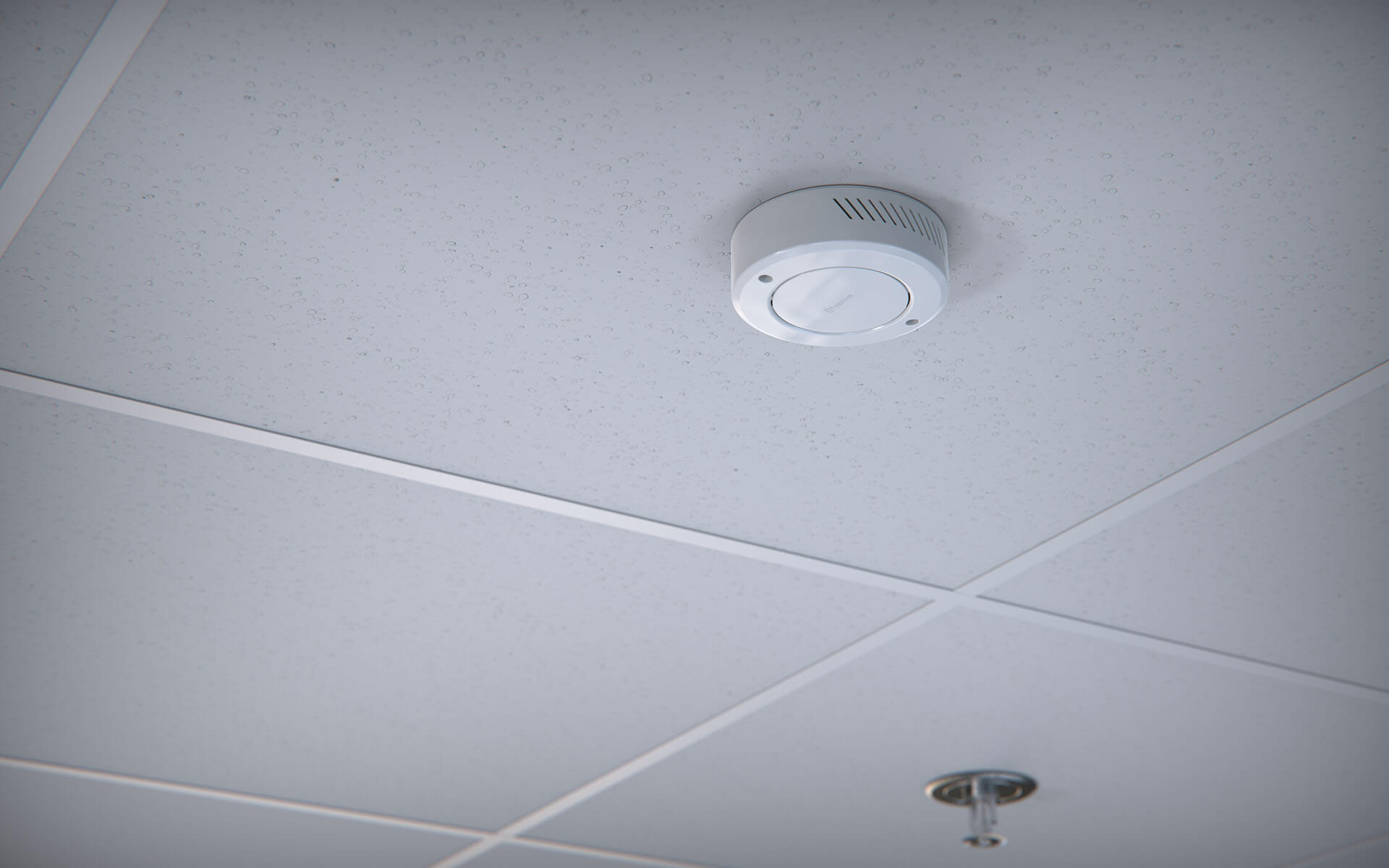
The district tested several vape detection devices in March. The results were astonishing. The number of incidents of vaping dropped significantly within five weeks. In the span of ten weeks the vaping rate decreased by 83%..
For administrators, the success did not stop at figures. Teachers were less disruptive and students realized that vaping could not be a secret.
Similar Results Similar Success Match Charter Schools
Another notable example comes from Match Charter Schools, which faced challenges with high and middle school smoking. They implemented a set of smoke alarms for vapes in August and noticed immediate positive results.
In December, only four months after the first report, administrators reported a reduction of 80% in incidents of vaping. Parents were pleased with the school’s specific steps to safeguard their children, while teachers observed a decrease in louts in the hallways aswell as bathroom crowding.
These two districts represent what is becoming a trending trend: schools that embrace vape detection see measurable improvements in their behavior and overall safety.
What makes vape detectors effective?
The key to these results lies in the technology itself. Modern vape detectors don’t just sense vapor; it also monitors air quality, monitors occupancy, and sends real-time alerts to staff. Administrators no longer need to rely upon guesswork or reports that are basing their decisions on information that has been gathered later.
Detectors have also been designed to ensure privacy. No cameras. No audio recording. Just accurate, instant data that aids schools in implementing swift actions without violating student rights.
This combination of efficacy and compliance makes vape detectors one of the most practical safeguards that schools can implement today.
Beyond Vaping: A Broader Safety Net
Many managers are aware that detectors extend beyond smoking prevention. Advanced systems can detect loud noises or triggers for keywords that can be linked to emergency situations, or even vandalism threats.
For example, if an entire group starts to linger in a toilet the detector will detect an unusually high degree of occupancy. If a person shouts distress words such as “help,” staff can be alerted immediately. So, the vape detection devices in schools form an integral part of a security plan that addresses potential health risks and possible violence.
Parents and Boards Help Support Vape Detectors
Transparency is a sign of trustworthiness that is often not considered. Schools that employ detectors can make reports that clearly demonstrate patterns in vaping. These reports can be distributed to community groups, school boards and parents to prove that actionable steps are being taken.
Parents especially respond positively to tangible outcomes. A vape smoke detector isn’t just catching students it’s protecting their health and reinforcing the message that vaping has no place in schools.
The Recommendation: A Proven Path to Success
Years ago, vaping seemed like an invisible war that schools could not take on. Research from across the nation confirm that this is not true. With the help of a vape detection device, administrators can track incidents in real-time, discourage risky behavior, and provide safer spaces for students.
Vaping is still a problem but it’s evolving. Schools that are investing in vape detection technologies don’t just respond to an issue, they’re actively paving the way towards an improved future.
Conclusion
Technology is working in schools across Texas from Texas to Massachusetts. Modern vape detectors can do more than just sound the alarm. They alter behavior, build trust and provide a long-lasting solution for today’s most significant health issue for students. In any school district that cares about safety Vape detectors in schools have become a norm. they’re the standard.