A pumping project can appear simple on paper. Water is introduced at one point and is required to move to another. In real life the distance between those two points can be affected by changes in rate of flow, elevation differences and solids, pressure requirements, storage capacity, controls, electrical equipment, access to maintenance and restrictions on the site.
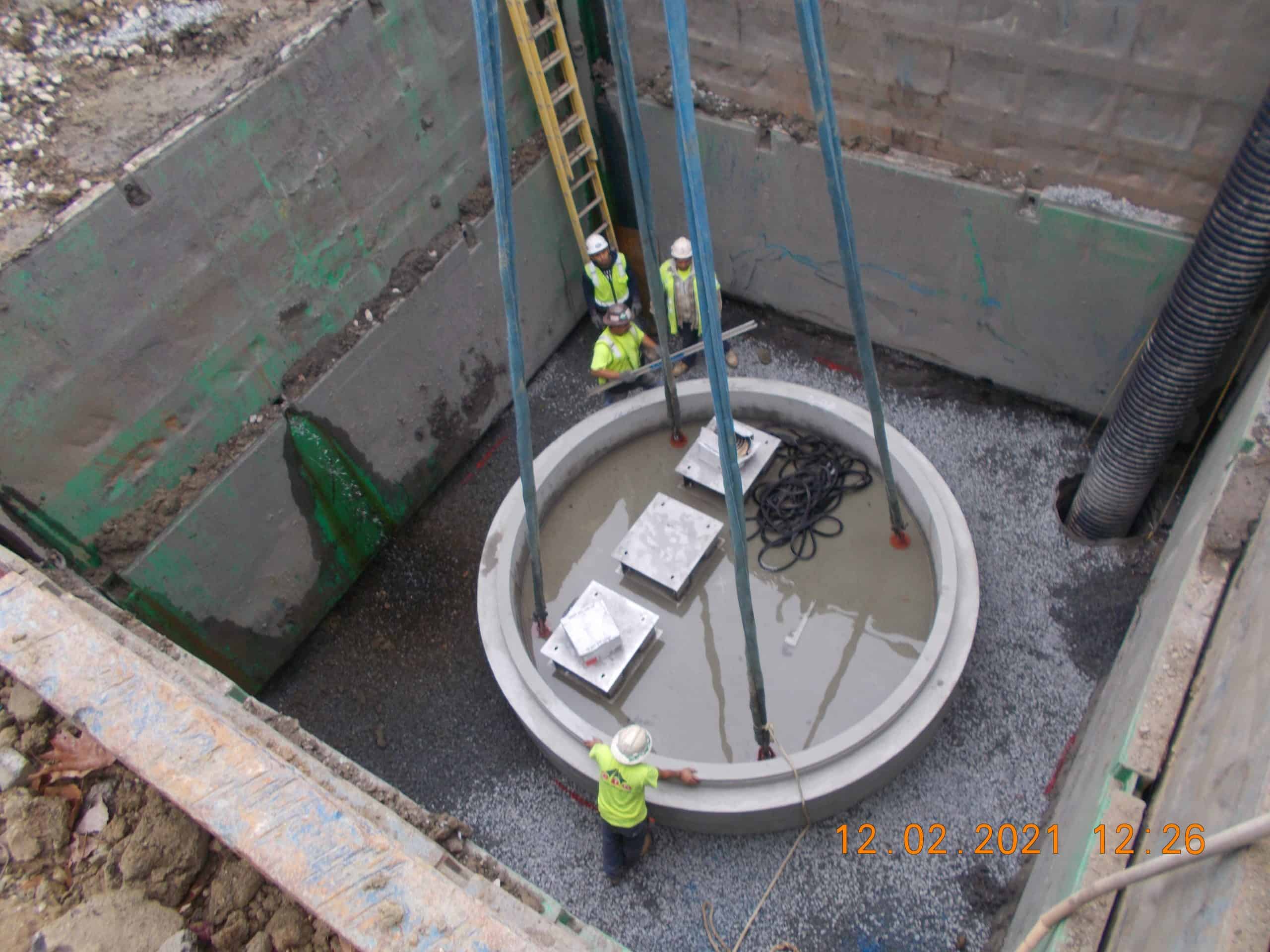
Image credit: romtecutilities.com
Romtec Utilities begin the development of the pumping station with defining the operating conditions rather than selecting the equipment from a catalog. The project requirements can be used to create initial designs and budgetary information.
Begin by asking the simple question: Where are we doing?
The technology is changed immediately.
Domestic sewage can contain solids and experience significant variations in the daily flow. A wastewater lift facility must transport the wastewater in a reliable manner whenever gravity conveyance isn’t available or not sufficient. Engineers must consider the anticipated inflow and maximum conditions, pumping capacities as well as wet-well behaviour and discharge requirements, as well as the way in which equipment is maintained and operated.
The challenges of industrial water differ. Fluids that are oily, caustic or have high temperatures and pressures may be required by a processing or manufacturing facility. Romtec Utilities designs systems for industrial applications ranging from food processing to power generation, data centers, pharmaceutical waste and gasoline and oil-based facilities.
Rainfall is the cause of a totally different Operating Cycle
Stormwater systems can go unnoticed for prolonged periods until they suddenly need to handle large volumes in the course of a major storm.
A stormwater lift station associated with a detention basin, for example, must work with the site’s larger drainage strategy. When the runoff flows into the detention basin, the temporary storage manages the immediate volume, and the pumping system transports the collected water to an authorized discharge point.
Romtec Utilities supplied this type of solution for a company park development located in Norco, California. The project required a pumping device that would empty a reservoir into the stormwater system of the public. This station had be designed as part of the drainage infrastructure rather than treated as a stand-alone piece of equipment.
“Package” Doesn’t Need to Be Off-the-Shelf
Many believe that a system for pumping packages is simply a predetermined set of components.
Packaging is a method to integrate the main elements into a system designed specifically for the project. The valves and pumps can be determined based on the duty specifications.
It’s especially helpful when connecting a new system to the existing infrastructure. In the case of industrial facilities and municipal buildings, there is rarely an infinite amount of space or complete clean environment for the installation. Equipment may have to be placed around existing piping, structures electric systems, as well as operational plans.
Capacity Planning has real consequences
Undersizing becomes particularly costly when facilities grow.
At Portland International Airport, Romtec Utilities developed and built an sewer interceptor lift station for the PDX Next expansion. The new station is planned to double the capacity for peak-flow of the existing system as airport facilities grow.
This is a key concept of engineering: specifications for the design should not just reflect the way an installation operates in an average afternoon. Engineers also have to be aware the impact of high demand.
The work isn’t done until the equipment is delivered.
At time, drawings and calculations have to become an operational system. Installation coordination with startup and testing, documentation, and operator understanding are all vital for the long-term performance.
What happens following the installation of a pumping system defines its performance. The choices made during initial design are apparent as flows rise, major storms arrive or a maintenance plan is necessary.
For Romtec Utilities, integrating those decision-making processes into a total project-specific pumping solution helps turn the equipment pieces into an infrastructure designed for the conditions they’ll be confronted with.